The Church Real Estate Professionals • Since 1986
Find Your Ministry's Next Home
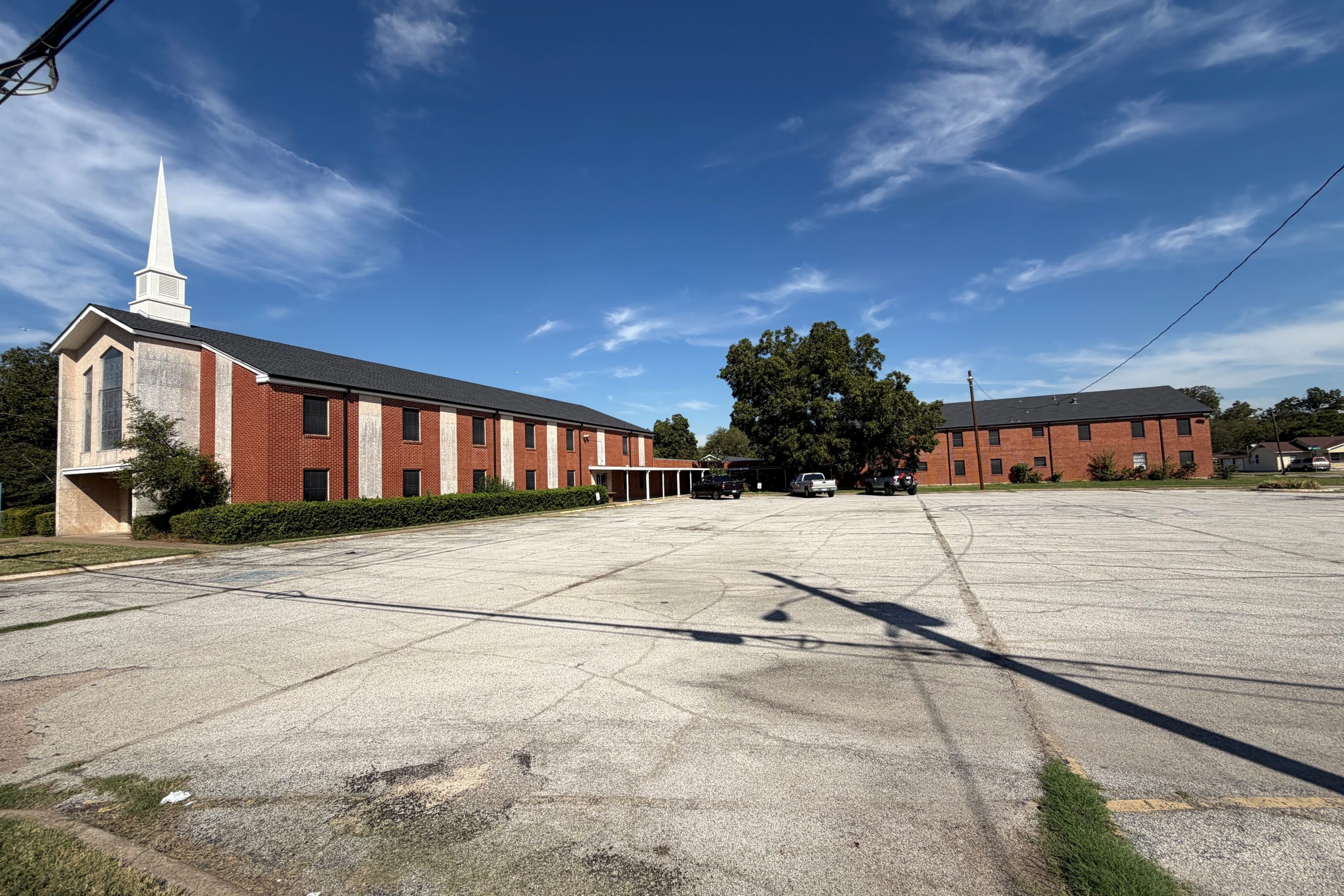
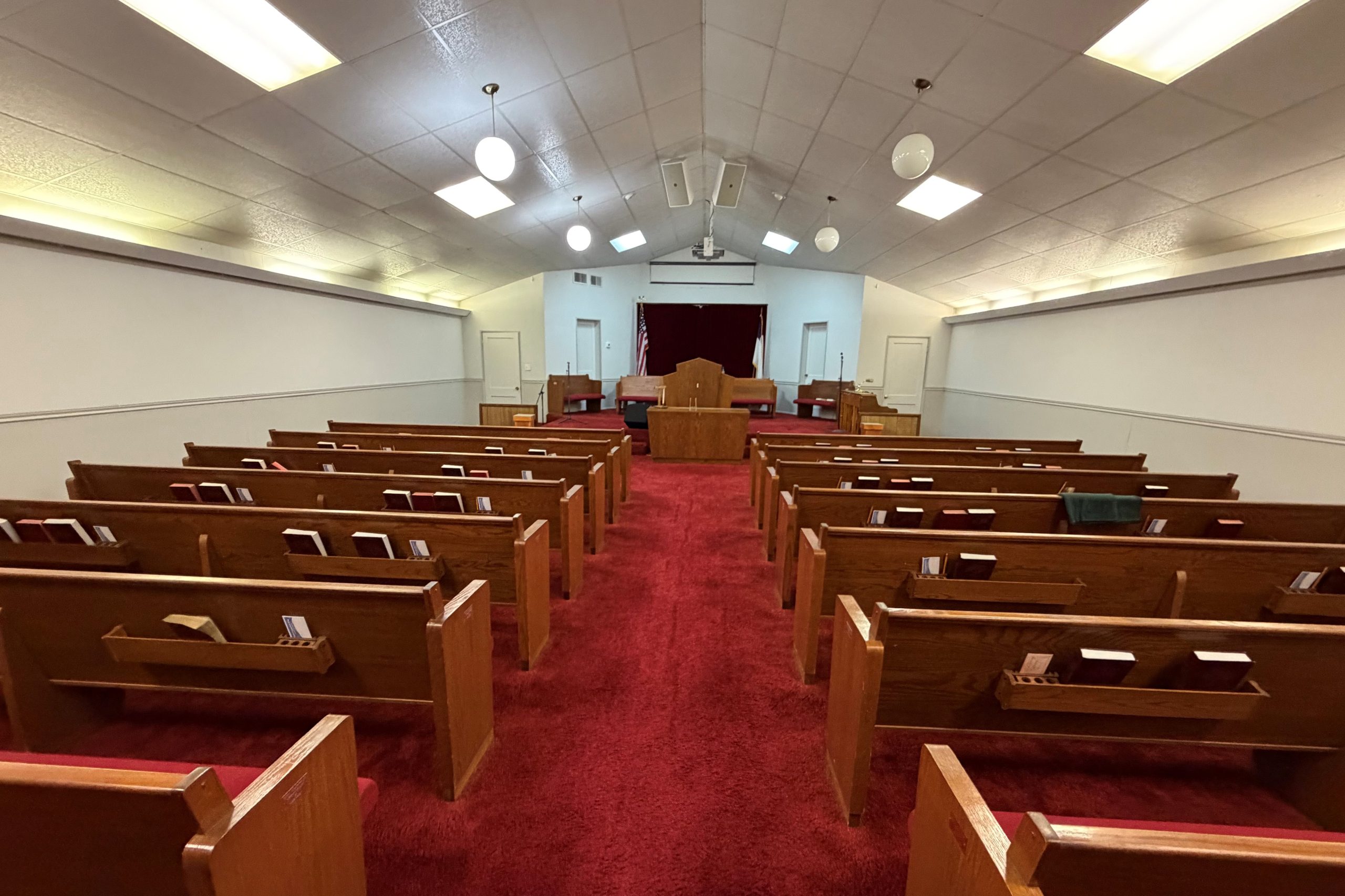
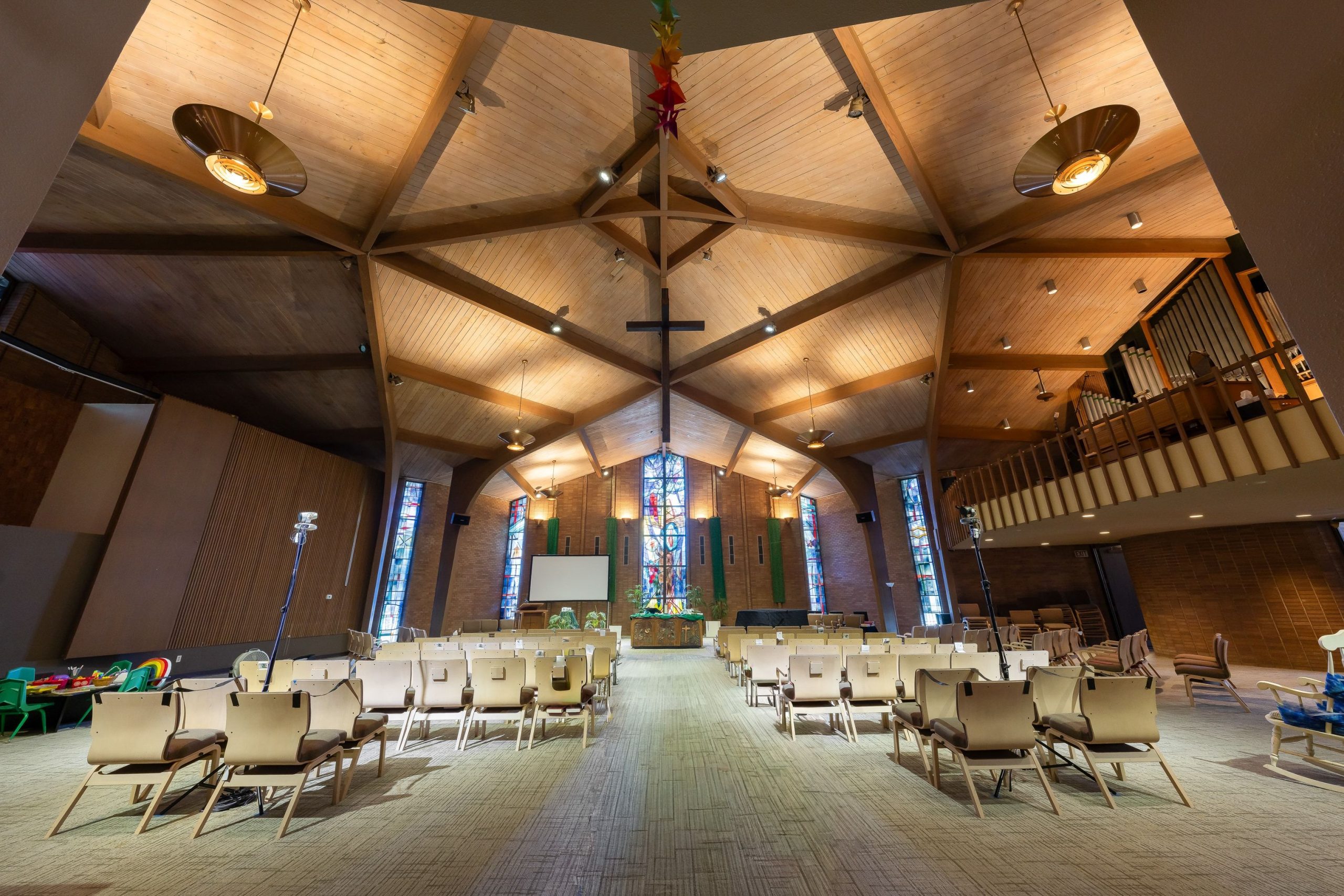
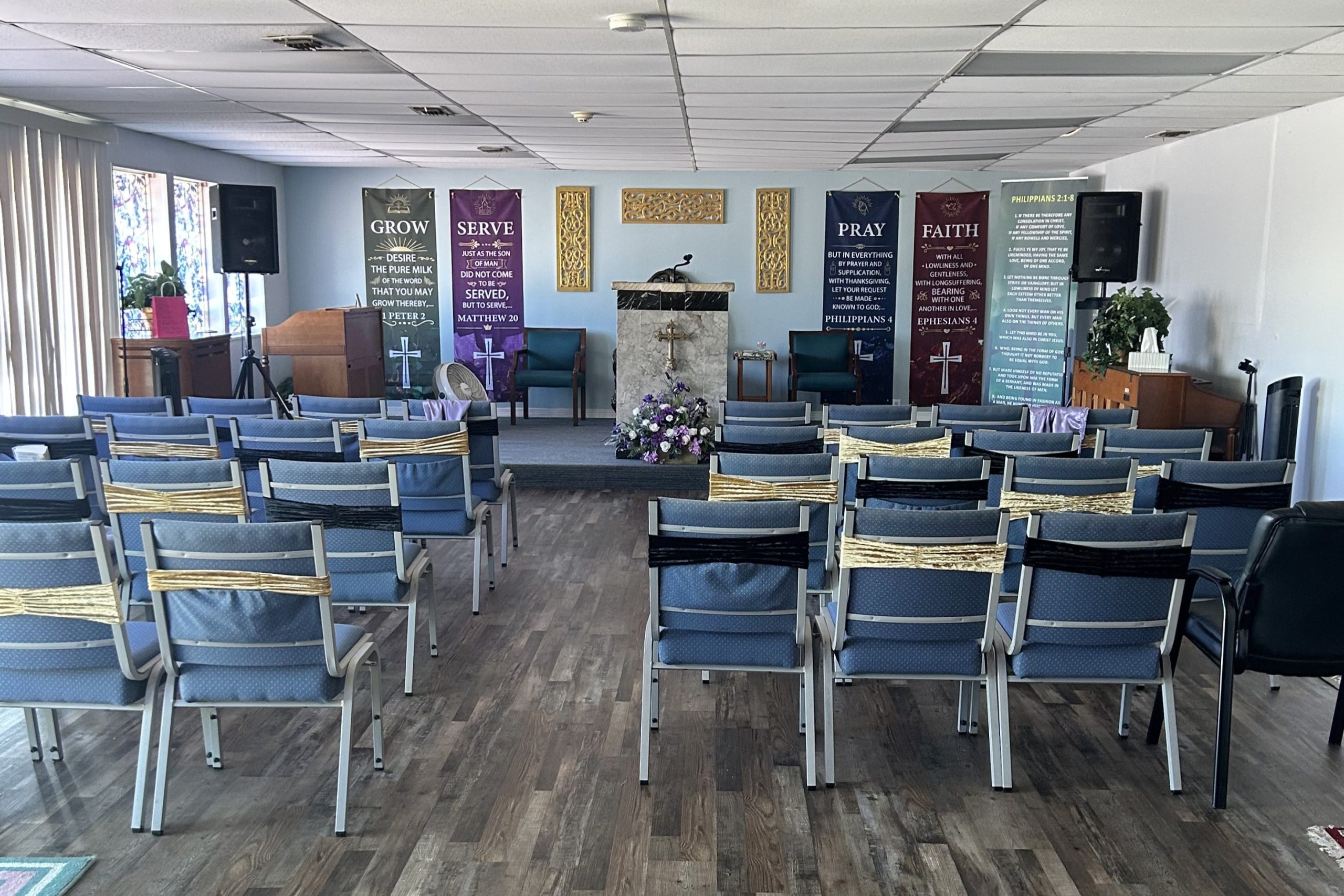
Browse churches, ministry centers, and schools across Dallas-Fort Worth and Houston.
Available Properties
Churches, ministry centers, and schools across Texas
Looking for Off-Market Properties?
We represent clients who prefer to stay anonymous. Contact us about properties not publicly listed.
Why Church Realty
Nearly 40 Years of Serving Churches and Schools
Founded in 1986 by Danny Muzyka, Church Realty is a full-service commercial real estate firm focusing on the unique needs of churches, denominations, and private schools. Our team exists to come alongside ministries to make wise real estate decisions. This is not a job—it's our calling.
1986
Founded
500+
Churches Served
Markets We Serve
Dallas-Fort Worth
Also serving
Arlington, Carrollton, Dallas, Fort Worth, Frisco, Irving, McKinney, Plano, Richardson & surrounding areas
Houston
Also serving
Cypress, Katy, Houston, Humble, Pasadena, Spring, Tomball, The Woodlands and surrounding areas
Atlanta
Also serving
Alpharetta, Atlanta, Mableton, Marietta, Powder Springs, Roswell, Smyrna and surrounding areas
Team

Danny Muzyka
John Muzyka
Vince Elder
Stuart Ashmun

Client Testimonials
What Churches Say About Us
"Church Realty's extensive knowledge of church processes combined with their expertise in commercial real estate was just what we needed. If your church is considering real estate decisions, you will not find a better partner than Church Realty."
Larry Burden, Pastor
Kingdom Life Christian Center, Frisco, TX
"Church Realty came through for us. They helped us purchase a larger building and found a buyer for our original building. Their knowledge of church real estate is unlike any other. I highly recommend their services."
Seyoum Gebreyesus
Ethiopian Evangelical Baptist Church, Garland, TX
FAQs
Common Questions Churches Ask When Buying or Selling Property
Real estate decisions can have a significant impact on a church’s ministry, finances, and future. Whether your church is considering buying its first permanent facility, relocating, expanding, right sizing, or selling property, asking the right questions early can help your leadership team make a wise stewardship decision.
At Church Realty, we believe the building is a tool for ministry, not the mission itself. The goal is not simply to complete a real estate transaction. The goal is to make a real estate decision that supports the mission and vision of the church.
Start with ministry vision and financial capacity, not available properties. Before beginning a property search, your leadership team should understand:
- Why you need a facility
- What ministries the facility needs to support
- Where you believe God is calling you to serve
- Your current and projected attendance
- Your financial capacity
- How much debt the church can responsibly carry
- How much cash should remain available after the acquisition
- Your expected growth over the next several years
A property can be affordable and still be the wrong property. Define the goal before beginning the search.
Purchase price is only part of the equation. Your Financial capacity will be driven by cash on hand, amount of debt a lender will loan you, and your internal limits.
We recommend connecting with 3 lenders. Local Community Banks, Denominational Lenders, and Ministry Focused Lenders are the best place to start.
You will need at lease 3 years of financial history to share with lenders. You can download our Financial Documentation Needed for Loan Requests here.
Churches should consider the total cost of occupancy, including:
- Purchase price
- Down payment
- Debt service
- Property improvements
- Renovations
- Furniture, fixtures, and equipment
- Utilities
- Insurance
- Maintenance
- Deferred maintenance
- Future capital expenditures
- Staffing Requirements
Understanding your financial capacity before looking at properties allows you to search within realistic parameters and compare options more effectively
Buying land and Building is the most expensive option. Buying an existing building is usually the first or second step for a church.
Buying land and building can provide greater flexibility, but it may require more time, capital, infrastructure, approvals, and construction risk.
Buying an existing church, school, office, retail, industrial, or other facility may allow a church to occupy sooner, but the building may require renovation or compromise.
The right answer depends on your ministry needs, budget, timeline, location, and available properties.
Yes, and many churches do.
Churches frequently convert:
- Retail buildings
- Theaters
- Schools
- Car dealerships
- Industrial buildings
- Warehouse Buildings
- Office Buildings
- Event facilities
- Other assembly or commercial properties
However, a building being available does not mean it can legally or economically be converted into a church.
Zoning, parking, building codes, fire requirements, accessibility, utilities, traffic, and renovation costs should all be evaluated before purchasing.
Extremely important.
Before purchasing a property, the church should confirm that its intended use is permitted by the applicable municipality or governmental authority.
Do not assume that because another church is nearby, your proposed use will automatically be allowed.
If zoning changes, special-use permits, or other approvals are required, understand the process, timeline, cost, and risk before your due diligence period expires.
Parking requirements vary by city and property, but parking can be one of the biggest limitations on church facilities.
The church should evaluate both:
Required parking: What does the city require?
Functional parking: How many spaces does the church actually need to operate its ministries effectively?
Those numbers are not always the same.
Consider worship attendance, children’s ministry, weekday activities, schools, special events, multiple services, and future growth.
Due diligence is more than an option period. You have to “Do” Diligence.
Depending on the property, your team may need to evaluate:
- Title
- Survey
- Zoning and land use
- Environmental conditions
- Building condition
- Roof and structure
- HVAC systems
- Electrical and plumbing systems
- Fire protection
- Accessibility
- Parking
- Drainage
- Utilities
- Traffic and access
- Renovation costs
- Future expansion potential
- City approvals
Bring qualified experts to the table before the church’s contractual deadlines expire.
It depends on the property and transaction.
An existing building that already accommodates church use may move relatively quickly. A property requiring zoning changes, significant renovation, financing, or construction could take considerably longer.
Rather than building your strategy around an ideal closing date, develop a realistic timeline that accounts for due diligence, financing, approvals, construction, and transition.
Sometimes, but not always.
Churches may consider:
- Selling first and leasing temporarily
- Purchasing before selling
- Making a purchase contingent upon a sale
- Negotiating a leaseback after the sale
- Using bridge financing
- Coordinating simultaneous transactions
Each strategy has different financial and ministry risks. The goal is to develop a transition strategy before committing to either transaction.
Church leadership should establish a clear decision-making structure before beginning the process.
Depending on the transaction, the team may include:
- Pastor and executive leadership
- Elders, trustees, or board members
- Finance leadership
- Real estate professionals
- Lenders
- Attorneys
- Architects
- Engineers
- Contractors
- Inspectors
- Other specialists
It is also important to understand what approvals are required under the church’s bylaws or governing documents.
Church properties can be difficult to value because they are specialized assets.
Value may be influenced by:
- Location
- Acreage
- Building size and condition
- Parking
- Zoning
- Demographics
- Comparable sales
- Alternative uses
- Redevelopment potential
- Demand from churches and other users
The highest value may come from another church, but sometimes the property’s alternative use creates greater value.
Call us for a Broker Price Opinion to determine the expected price and potential users for your property.
An appraisal can be useful, but it serves a different purpose than a Broker Price Opinion.
An appraisal provides an opinion of value based on established valuation methods. A broker price opinion or market analysis should also consider current buyers, competing properties, development activity, and how the property can be positioned in today’s market.
Depending on the situation, a church may benefit from both.
That can be an excellent outcome, but it should not automatically be the only option considered.
Church leaders should understand:
- What the property is worth to another church
- What it may be worth to a school or nonprofit
- What it may be worth to a developer
- Whether the site has redevelopment potential
- How different buyers could affect the transaction timeline and terms
Once those options are understood, leadership can make an informed stewardship decision.
Churches often have tax-exempt status, but tax and legal implications can vary depending on the organization, property, transaction structure, and use of the proceeds.
Church leadership should consult qualified legal and tax advisors regarding the specific transaction rather than assuming the sale is automatically exempt from every tax or reporting requirement.
Not necessarily.
Some improvements can increase marketability, while others may not produce a meaningful return.
Before spending significant money, determine:
- Who the likely buyer is
- Whether that buyer will renovate anyway
- Which repairs could affect financing or inspections
- Whether deferred maintenance will reduce value
- Which improvements primarily affect appearance rather than value
Develop the marketing strategy first, then decide where additional investment makes sense.
Church properties often take longer to sell than traditional commercial properties because the buyer pool is more specialized.
Timing can depend on:
- Asking price
- Location
- Property condition
- Zoning
- Size
- Financing
- Market demand
- Potential redevelopment
- Whether the buyer needs governmental approvals
A realistic marketing plan should consider both price and timing.
Potentially.
A leaseback can allow the church to sell its existing property while continuing to occupy it for an agreed period.
This can provide time to:
- Complete construction
- Renovate another property
- Relocate ministries
- Complete another acquisition
- Prepare the congregation for transition
The leaseback should be negotiated as part of the sale, not treated as an afterthought.
A developer may see value in the land that is different from the value another church sees in the existing improvements.
Developer offers may involve:
- Longer due diligence periods
- Rezoning
- Entitlements
- Platting
- Environmental studies
- Infrastructure analysis
- Demolition
- Extended closing periods
A higher offer is not necessarily the better offer. Leadership should compare price, timing, contingencies, certainty of closing, and the impact on the church’s transition.
Every church has a different governance structure and culture.
Before communicating broadly, leadership should understand:
- What decisions have actually been made
- What approvals are required
- What options are being evaluated
- What information is confidential
- How the potential sale supports the church’s mission and vision
Communication should help the congregation understand why the church is considering a real estate decision, not simply what property may be sold.
That is ultimately a ministry and stewardship decision.
Before selling, leadership should develop a plan for how proceeds may be used, such as:
- Purchasing another facility
- Paying down debt
- Funding renovation or construction
- Establishing reserves
- Supporting ministry initiatives
- Funding multiplication or church planting
- Investing for future ministry needs
The sale should be part of a larger ministry strategy rather than an isolated transaction.
Ideally, before you think you need one.
Some of the most important real estate decisions happen before a property is listed, toured, purchased, or sold.
An experienced church real estate professional can help leadership define the goal, understand the market, evaluate financial realities, identify potential problems, compare options, and develop a strategy before a transaction begins.
Church real estate involves more than square footage and price.
Church transactions often involve:
- Unique governance structures
- Committees and congregational approvals
- Specialized financing
- Zoning and land-use issues
- Parking requirements
- Assembly occupancy
- Ministry-specific facility needs
- Donor and congregation communication
- Long transition periods
- Emotional attachment to property
Someone who understands both real estate and the church decision-making process can help leadership navigate those issues more effectively.
Starting with the property instead of the mission.
A church sees a building or piece of land and immediately begins asking:
“Can we buy it?”
A better first question is:
“What are we trying to accomplish?”
Once the ministry goal is defined, the church can evaluate whether buying, selling, leasing, renovating, expanding, relocating, or doing nothing is the best stewardship solution.
Compare the options using the same criteria.
Consider:
- Ministry alignment
- Total cost
- Location
- Accessibility
- Parking
- Facility functionality
- Timeline
- Renovation requirements
- Financing
- Future flexibility
- Growth potential
- Risk
The lowest-cost option is not always the best stewardship decision, and the most expensive option is not necessarily the best ministry solution.
Start with clarity.
Before looking for a property or putting your existing property on the market, answer three questions:
1. What is our ministry vision?
What are we trying to accomplish?
2. What is our current context?
What are our financial, facility, market, and organizational realities?
3. What problem are we trying to solve?
What is preventing our current facility or real estate strategy from supporting the ministry?
Once those questions are answered, you can begin identifying and comparing potential solutions.
Ready to Find Your Ministry's Next Home?
Whether you're buying, selling, leasing, or need consulting and financing services, we're here to help.